My ACE Score is a 9, and I Became a Mother, Wife, Therapist and Entrepreneur
- posted: Jul. 10, 2025
- Narcissistic Abuse, Adult Orphan Syndrome, Depression and Anxiety, Grief
My ACE score is 9.
Statistically speaking, I shouldn't be here. And if I am here, I certainly shouldn't be a mother, a wife, a therapist, a business owner, or a writer. I shouldn't have a peaceful home tucked away in the woods.
According to the data, people like me are supposed to end up on the streets. Or dead. Maybe in a rehab facility, if they're lucky.
But this is my story.
I was raised by a violent father whose charm made him seem perfect to everyone else, and by a mother whose love affair with vodka was more important than her children and later would cost her own life. My earliest memory, which I doubted for years because I was only two or two and a half, was later confirmed by my older brother. We were standing together in the living room. One of my hands held a pink stuffed bunny, while the other was in his. In front of us, our father had his hands around our mother’s neck.
That was only the first time I saw him assault her. There would be many more. And afterward, our mother would often take her pain out on us by talking about suicide. I was still so young, just a toddler in pull-ups learning to be potty-trained, when she began telling us we would have to raise ourselves because she planned to die.
As a teenager, I couldn’t take it anymore. I started staying with friends and their families whenever I could.
The police got involved. There were court hearings. CPS showed up. But for reasons I’ll never fully understand, we were never removed from the home.
At 19, I knew I had to leave. My parents were finally separating and the house was being sold. I left and moved in with a man I barely knew. We had been talking for years online, and I thought I could trust him because our life stories had so much in common. But we were both wounded, both hurting, both lost. I thought leaving would be enough to make me okay. But the truth is, kids who grow up like I did are at high risk of repeating the patterns they came from. Of becoming the very statistics they hope to escape.
In time, I started doing the deeper work. I stopped treating therapy as a place to vent and started seeing it as a place to uncover the truth by diving into the deepest wells of my soul. I learned to find the small, terrified child had fallen down there so long ago and to bring her to the surface so she could finally breathe.
We cannot control what happens to us, especially in childhood. But we can choose what we do with that pain. We can decide whether it hardens us or helps us grow. Whether it breaks our spirit or lets it deepen.
The ACE simplifies the stories of the people who carry those high scores, but it also does not mean it is the determination of all that will happen. I am here and I will keep going. I will repair the generational damage which has trickled down my family. I will build a life of safety, love and trust for my son. And I will always strive to make therapy a source for healing.
Pictured here: With my husband, my best friend.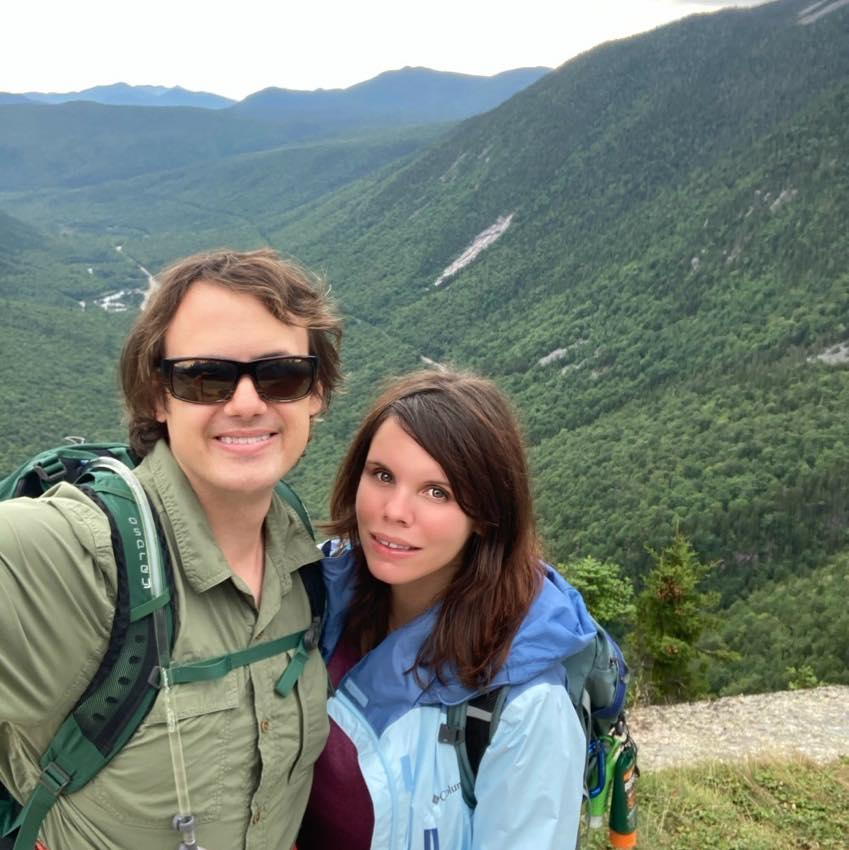
- posted: Jul. 10, 2025
- Narcissistic Abuse, Adult Orphan Syndrome, Depression and Anxiety, Grief
My ACE score is 9.
Statistically speaking, I shouldn't be here. And if I am here, I certainly shouldn't be a mother, a wife, a therapist, a business owner, or a writer. I shouldn't have a peaceful home tucked away in the woods.
According to the data, people like me are supposed to end up on the streets. Or dead. Maybe in a rehab facility, if they're lucky.
But this is my story.
I was raised by a violent father whose charm made him seem perfect to everyone else, and by a mother whose love affair with vodka was more important than her children and later would cost her own life. My earliest memory, which I doubted for years because I was only two or two and a half, was later confirmed by my older brother. We were standing together in the living room. One of my hands held a pink stuffed bunny, while the other was in his. In front of us, our father had his hands around our mother’s neck.
That was only the first time I saw him assault her. There would be many more. And afterward, our mother would often take her pain out on us by talking about suicide. I was still so young, just a toddler in pull-ups learning to be potty-trained, when she began telling us we would have to raise ourselves because she planned to die.
As a teenager, I couldn’t take it anymore. I started staying with friends and their families whenever I could.
The police got involved. There were court hearings. CPS showed up. But for reasons I’ll never fully understand, we were never removed from the home.
At 19, I knew I had to leave. My parents were finally separating and the house was being sold. I left and moved in with a man I barely knew. We had been talking for years online, and I thought I could trust him because our life stories had so much in common. But we were both wounded, both hurting, both lost. I thought leaving would be enough to make me okay. But the truth is, kids who grow up like I did are at high risk of repeating the patterns they came from. Of becoming the very statistics they hope to escape.
In time, I started doing the deeper work. I stopped treating therapy as a place to vent and started seeing it as a place to uncover the truth by diving into the deepest wells of my soul. I learned to find the small, terrified child had fallen down there so long ago and to bring her to the surface so she could finally breathe.
We cannot control what happens to us, especially in childhood. But we can choose what we do with that pain. We can decide whether it hardens us or helps us grow. Whether it breaks our spirit or lets it deepen.
The ACE simplifies the stories of the people who carry those high scores, but it also does not mean it is the determination of all that will happen. I am here and I will keep going. I will repair the generational damage which has trickled down my family. I will build a life of safety, love and trust for my son. And I will always strive to make therapy a source for healing.
Pictured here: With my husband, my best friend.
Contact Me

Providing virtual services throughout New York State and in-person forest therapy in the Putnam, Dutchess and Upper Westchester areas